

Hey there, fellow farmers and agricultural enthusiasts! As a supplier of disc ploughs, I often get asked about the wear rate of the discs on these essential farming tools. So, I thought I'd take the time to share some insights on this topic and help you understand what affects the wear rate of disc plough discs.
First off, let's talk about what a disc plough is and why it's so important in farming. A disc plough is a type of plough that uses concave discs to cut through the soil. These discs are usually made of high - carbon steel or other durable materials. They are designed to turn over the soil, bury crop residues, and prepare the land for planting. Whether you're looking at a Driven Disc Plough, a Two - way Disc Plough, or a Share Plow, the discs are the key components that do the heavy lifting.
Now, let's dig into the factors that influence the wear rate of disc plough discs.
Soil Type
One of the biggest factors affecting disc wear is the type of soil you're working with. Different soils have different levels of abrasiveness. For example, sandy soils are generally less abrasive compared to clayey or gravelly soils. Sandy soil particles are relatively smooth and round, so they don't cause as much friction against the discs. On the other hand, clayey soils can be sticky and contain small, sharp particles that can wear down the discs more quickly. Gravelly soils are even worse, as the rocks and stones in them can cause significant damage to the disc surfaces. If you're constantly ploughing in gravelly soil, you can expect your discs to wear out much faster than if you're working in sandy soil.
Moisture Content of the Soil
The moisture content of the soil also plays a crucial role. When the soil is too dry, it can be hard and compacted. The discs have to work harder to penetrate and turn over the soil, which increases the wear on the discs. The dry soil particles can act like sandpaper, scraping against the disc surfaces. On the other hand, if the soil is too wet, it can be sticky. The sticky soil can adhere to the discs, causing uneven wear and adding extra weight to the discs. This can put more stress on the disc bearings and other components of the plough, as well. Ideally, the soil should have a moderate moisture content for the best performance and least amount of disc wear.
Operating Speed
How fast you operate the disc plough matters a lot. If you drive the tractor too fast while using the disc plough, the discs will experience more impact and friction. The high - speed movement causes the discs to hit the soil particles harder, leading to increased wear. It's like running your car at high speed on a rough road; the tires will wear out faster. On the contrary, if you operate the plough too slowly, the discs may not cut through the soil effectively, and you may have to make multiple passes, which also increases the overall wear on the discs. So, finding the right operating speed is essential for minimizing disc wear.
Disc Quality
The quality of the discs themselves is a major factor. High - quality discs are made from better materials and have better heat - treatment processes. They are more resistant to wear and tear. Cheaper discs may seem like a good deal at first, but they often wear out much faster. High - quality discs are designed to maintain their shape and sharpness for a longer time, which means you won't have to replace them as often. When you're in the market for a disc plough, it's worth investing in a plough with good - quality discs.
Maintenance
Proper maintenance can significantly reduce the wear rate of the discs. Regularly cleaning the discs after use can prevent the build - up of soil and debris, which can cause uneven wear. Checking the disc bearings and ensuring they are well - lubricated is also important. If the bearings are dry or damaged, it can cause the discs to rotate unevenly, leading to increased wear. Additionally, sharpening the discs when they start to get dull can improve their performance and extend their lifespan.
Measuring the Wear Rate
So, how can you measure the wear rate of your disc plough discs? One common way is to measure the thickness of the discs at regular intervals. You can use a caliper to measure the thickness of the disc at the edge. As the discs wear, the thickness will decrease. By comparing the initial thickness with the current thickness, you can calculate the amount of wear. Another way is to monitor the performance of the plough. If you notice that the plough is not cutting through the soil as effectively as it used to, or if you have to increase the tractor's power to achieve the same results, it could be a sign that the discs are worn.
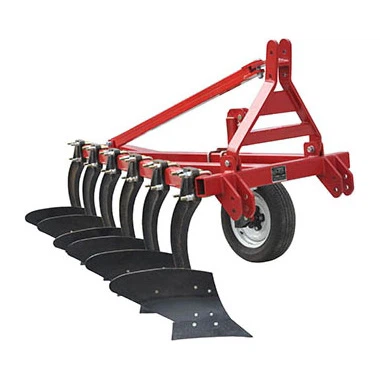

Impact of Disc Wear on Farming
Worn - out discs can have a negative impact on your farming operations. When the discs are worn, they may not cut through the soil evenly. This can lead to uneven seedbeds, which can affect the germination and growth of your crops. Worn discs also require more power from the tractor to operate, which means higher fuel consumption. And of course, constantly replacing worn - out discs can be costly.
Tips to Reduce Disc Wear
- Choose the Right Soil Conditions: Try to plough when the soil has the right moisture content. Avoid ploughing in extremely dry or wet conditions.
- Adjust the Operating Speed: Find the optimal speed for your tractor and disc plough combination. This may require some trial and error, but it's worth it in the long run.
- Invest in Quality: Buy a disc plough with high - quality discs. It may cost more upfront, but it will save you money in the long term.
- Maintain Regularly: Clean, lubricate, and sharpen the discs as needed. This simple maintenance routine can go a long way in extending the life of your discs.
As a disc plough supplier, I understand the importance of having reliable and long - lasting discs. That's why we offer a wide range of disc ploughs with high - quality discs that are designed to withstand the rigors of farming. If you're looking for a disc plough that can give you the best performance and least amount of disc wear, we've got you covered. Whether you need a Driven Disc Plough, a Two - way Disc Plough, or a Share Plow, we have the right product for your needs.
If you're interested in learning more about our disc ploughs or have any questions about disc wear or other related topics, don't hesitate to reach out. We're here to help you make the best choice for your farming operations and ensure that your disc plough serves you well for a long time.
References
- ASAE Standards. American Society of Agricultural and Biological Engineers.
- Agricultural Machinery Management Handbook. Purdue University Extension.
- Soil and Water Conservation Engineering. United States Department of Agriculture.


