

As a dedicated share plow supplier, I understand the importance of adhering to regulations when it comes to the use of share plows. In the agricultural industry, these regulations are put in place to ensure safety, environmental protection, and efficient farming practices. This blog aims to explore the key regulations regarding the use of share plows and how they impact farmers and suppliers like us.

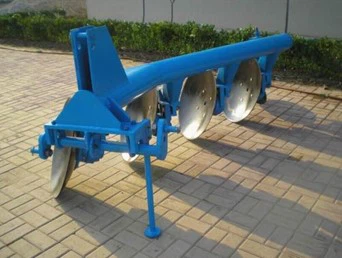
Safety Regulations
Safety is paramount when operating any agricultural machinery, including share plows. One of the primary safety regulations is the requirement for operators to receive proper training. Before using a share plow, farmers should be educated on its operation, maintenance, and safety features. This training can be provided by the manufacturer, agricultural extension services, or through specialized training programs.
For instance, operators need to understand how to correctly attach the share plow to the tractor, adjust the plow's depth and width, and operate the equipment in different soil conditions. They should also be aware of potential hazards, such as flying debris, uneven terrain, and the risk of entanglement with the plow's moving parts.
In addition to training, safety equipment is also a crucial part of the regulations. Operators are required to wear appropriate personal protective equipment (PPE), such as safety glasses, gloves, and sturdy footwear. Some share plows may also be equipped with safety guards to prevent accidental contact with the blades or other moving components.
Another important safety regulation is the regular maintenance and inspection of share plows. Farmers should conduct pre - operation checks to ensure that all parts are in good working condition, the blades are sharp, and there are no loose or damaged components. Regular maintenance, including lubrication and replacement of worn parts, helps to prevent breakdowns and reduces the risk of accidents.
Environmental Regulations
Share plows have a significant impact on the environment, and regulations are in place to minimize this impact. One of the key environmental concerns is soil erosion. When using share plows, farmers need to be careful not to over - till the soil, as this can lead to the loss of topsoil, which is rich in nutrients and organic matter.
To prevent soil erosion, many regions have regulations regarding the maximum depth and frequency of plowing. For example, some areas may limit the plowing depth to a certain number of inches to preserve the soil structure. Additionally, farmers are encouraged to use conservation tillage practices, such as reduced tillage or no - till farming, in combination with share plows. These practices help to keep the soil covered with crop residues, which reduces erosion and improves water infiltration.
Water pollution is another environmental issue related to share plow use. When plowing, there is a risk of sediment and agricultural chemicals being washed into nearby water bodies. To address this, regulations may require farmers to maintain buffer zones between their fields and water sources. These buffer zones act as a filter, trapping sediment and chemicals before they reach the water.
In some cases, farmers may also be required to use environmentally friendly lubricants and fuels in their tractors and share plows. This helps to reduce air pollution and minimize the release of harmful chemicals into the environment.
Agricultural Productivity and Quality Regulations
Regulations also play a role in ensuring agricultural productivity and the quality of crops. Share plows are used to prepare the soil for planting, and proper plowing techniques can have a significant impact on crop growth.
Some regulations may specify the ideal soil conditions for plowing, such as soil moisture content. Plowing when the soil is too wet can lead to soil compaction, which can restrict root growth and reduce crop yields. On the other hand, plowing when the soil is too dry may not effectively break up the soil and incorporate organic matter.
In addition, regulations may govern the use of share plows in relation to crop rotation and cover cropping. Crop rotation helps to maintain soil fertility and reduce the build - up of pests and diseases. Share plows can be used to incorporate cover crops into the soil, which adds organic matter and nutrients. By following regulations regarding crop rotation and cover cropping, farmers can improve the long - term productivity of their fields.
Compliance and Certification
To ensure that share plows meet the required regulations, many manufacturers, including our company, obtain various certifications. These certifications serve as proof that the share plows have been tested and meet the safety, environmental, and quality standards set by regulatory bodies.
For example, some share plows may be certified to meet the standards of the International Organization for Standardization (ISO). ISO certifications cover a wide range of aspects, including design, manufacturing processes, and performance. Having these certifications not only demonstrates our commitment to quality but also gives farmers confidence in the products they are purchasing.
In addition to ISO certifications, there may be specific regional or national certifications that share plows need to comply with. These certifications can vary depending on the country or region, and it is our responsibility as suppliers to ensure that our products meet all the relevant requirements.
Impact on the Supply Chain
As a share plow supplier, these regulations have a direct impact on our business. We need to stay updated on the latest regulations and ensure that our products are compliant. This requires us to invest in research and development to improve the design and performance of our share plows.
For example, to meet environmental regulations, we may need to develop share plows that are more efficient in terms of soil tillage, reducing the need for excessive plowing. We also need to source materials and components that are environmentally friendly and meet the safety standards.
In addition, we play an important role in educating our customers about the regulations. We provide training materials, user manuals, and technical support to help farmers understand how to use our share plows in compliance with the regulations.
Conclusion
The regulations regarding the use of share plows are essential for ensuring safety, environmental protection, and agricultural productivity. As a share plow supplier, we are committed to producing high - quality products that meet all the relevant regulations. We understand that compliance is not only a legal requirement but also a way to build trust with our customers and contribute to sustainable agriculture.
If you are interested in purchasing share plows or have any questions about our products, we encourage you to [initiate a contact for procurement discussion]. We have a wide range of share plows available, and our team of experts can help you choose the right product for your specific needs.
For more information on related agricultural implements, you can visit the following links:
Disc Plough
Two - way Disc Plough
Hydraulic Reversible Plow
References
- Agricultural Safety and Health Council of America. (Year). Agricultural Machinery Safety Guidelines.
- Environmental Protection Agency. (Year). Regulations for Soil and Water Conservation in Agriculture.
- International Organization for Standardization. (Year). ISO Standards for Agricultural Machinery.


