

Hey there! I'm [Your Name], and I run a plough supply business. Over the years, I've learned a thing or two about getting these heavy-duty farming tools from point A to point B. So, if you're scratching your head about how to transport a plough, you've come to the right place.
First off, let's talk about the different types of ploughs out there. There's the Share Plow, which is great for smaller fields and lighter soil. Then we've got the Disc Plough, a real workhorse for breaking up tough ground. And if you're dealing with large, open fields, the Two-way Disc Plough might be your best bet. Each type has its own unique characteristics, and these can affect how you transport them.
Pre - Transport Preparation
Before you even think about loading up the plough, you need to do some prep work. Start by giving the plough a thorough inspection. Check for any loose parts, damaged blades, or signs of wear and tear. Tighten any bolts or nuts that might have come loose during use. This not only ensures the plough is in good working condition but also prevents any parts from falling off during transport, which could be a safety hazard.
Next, clean the plough. Removing dirt, mud, and debris not only makes it easier to handle but also helps prevent the spread of pests and diseases. You can use a pressure washer or a garden hose to get the job done. Just make sure it's completely dry before you start packing it up.

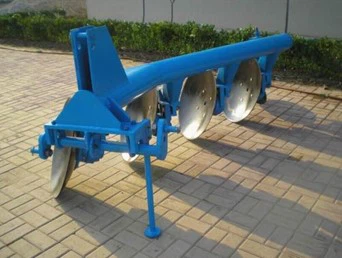
Choosing the Right Transport Method
The size and weight of the plough will play a big role in determining the best way to transport it. For smaller ploughs, like the share plow, you might be able to use a pickup truck or a small trailer. Make sure the truck or trailer has a flatbed that can support the weight of the plough. You'll also need to secure the plough properly to prevent it from shifting during transit.
If you're dealing with larger ploughs, such as disc ploughs or two - way disc ploughs, you'll probably need a larger trailer or a flatbed truck. These ploughs can be quite heavy and bulky, so it's important to choose a vehicle with enough capacity. You might even need to hire a professional transport company that specializes in hauling agricultural equipment. They have the experience and the right equipment to handle the job safely and efficiently.
Loading the Plough
Loading a plough can be a tricky business, especially if it's a large one. First, you need to position the transport vehicle close to the plough. Make sure it's on a level surface to prevent the plough from tipping over during loading.
If you're using a trailer, you can use a ramp to drive the plough onto it. For larger ploughs, you might need to use a forklift or a crane to lift it onto the truck or trailer. When lifting the plough, make sure the lifting points are secure and that the plough is balanced.
Once the plough is on the vehicle, you need to secure it properly. Use heavy - duty straps or chains to tie it down. Make sure the straps or chains are tight and that the plough can't move around. You might also want to use padding or cushions to protect the plough from scratches and dents.
Securing the Plough
Securing the plough is crucial for a safe journey. Start by placing the plough in the center of the vehicle's bed or trailer. This helps distribute the weight evenly and reduces the risk of the vehicle tipping over.
Use at least four straps or chains to secure the plough. Attach them to the plough's frame or lifting points and then to the vehicle or trailer. Make sure the straps or chains are crossed over the plough to prevent it from shifting side - to - side. Check the tension of the straps or chains regularly during the journey to make sure they're still tight.
Safety Considerations
Transporting a plough comes with its fair share of risks, so safety should be your top priority. First, make sure you have the necessary permits and licenses to transport the plough. Some states or countries have specific regulations regarding the transport of agricultural equipment, so it's important to check before you hit the road.
When driving with a plough on board, be extra cautious. The added weight and size of the plough can affect the vehicle's handling and braking. Take corners slowly and give yourself plenty of time to stop. Also, make sure the plough is visible to other drivers. You might want to use reflective tape or warning signs to make it more noticeable.
Unloading the Plough
Once you've reached your destination, it's time to unload the plough. Follow the same safety procedures as you did when loading it. If you used a ramp to load the plough, use it again to unload it. If you used a forklift or a crane, make sure the operators are experienced and that the equipment is in good working condition.
After unloading the plough, give it another inspection. Check for any damage that might have occurred during transport. If you find any issues, make the necessary repairs before using the plough.
Conclusion
Transporting a plough might seem like a daunting task, but with the right preparation and the right equipment, it can be done safely and efficiently. Remember to inspect and clean the plough before transport, choose the right transport method, load and secure it properly, and follow all safety regulations.
If you're in the market for a new plough or need advice on transporting your existing one, don't hesitate to get in touch. We've got a wide range of high - quality ploughs to suit your needs, and our team of experts is always on hand to offer advice and support. Whether you're a small - scale farmer or a large - scale agricultural operation, we've got you covered.
References
- Agricultural Equipment Safety Manual
- Transport Regulations for Agricultural Machinery


