

Hey there, fellow farmers and plough enthusiasts! As a plough supplier, I know how important it is to take good care of your equipment, especially during the winter months. A well - stored plough not only lasts longer but also performs better when the next farming season rolls around. So, let's dive into how to store a plough in winter.
Why Winter Storage Matters
First off, why bother with proper winter storage? Well, winter conditions can be pretty harsh on your plough. Cold temperatures, snow, and ice can cause metal parts to rust and crack. Moisture is a big enemy here. If water gets into the nooks and crannies of your plough and then freezes, it can expand and damage the components. Also, leaving your plough exposed to the elements can lead to wear and tear from wind - blown debris. By storing it correctly, you're protecting your investment and ensuring that your plough is in top - notch condition when you need it again.
Cleaning Your Plough
The first step in winter storage is a thorough cleaning. You don't want to leave any dirt, mud, or crop residues on the plough. These can hold moisture and accelerate rusting. Start by using a high - pressure hose to blast off as much of the loose dirt as possible. Pay special attention to the areas around the blades, discs, and the frame.
For stubborn dirt and grime, you might need to use a stiff brush and some mild detergent. Scrub the surfaces gently but firmly to get rid of all the debris. After cleaning, make sure to dry the plough completely. You can use a clean cloth or let it air - dry in a sunny spot if the weather allows. Remember, any remaining moisture can spell trouble later on.
Lubricating Moving Parts
Once the plough is clean and dry, it's time to lubricate the moving parts. This includes the bearings, joints, and any other areas where metal rubs against metal. Use a high - quality lubricant that's suitable for agricultural equipment. Apply the lubricant generously but not excessively. You don't want it to attract dust and dirt.
Lubrication helps prevent rust and corrosion and also ensures that the parts move smoothly when you use the plough again. It reduces friction, which can extend the lifespan of the components. Check the manufacturer's recommendations for the best type of lubricant to use for your specific plough model.
Inspecting for Damage
Before you put the plough into storage, take a good look at it for any signs of damage. Check the blades for chips, cracks, or excessive wear. The discs should be in good shape too, without any warping or dents. Look at the frame for any bent or broken parts. If you find any issues, it's a good idea to fix them now rather than waiting until the next farming season.
You can replace worn - out blades or discs, and weld or repair any damaged parts of the frame. This way, your plough will be ready to go when you need it. If you're not sure how to make the repairs, you can always consult a professional or reach out to us as your plough supplier for advice.
Choosing the Right Storage Location
Now, let's talk about where to store your plough. The ideal storage location is dry, clean, and protected from the elements. A shed or a barn is a great option. If you don't have access to a shed, you can use a tarp to cover the plough, but make sure it's well - secured to prevent it from blowing off.

Avoid storing the plough in a damp or low - lying area where water can collect. Also, keep it away from any chemicals or fertilizers that could corrode the metal. If possible, elevate the plough off the ground to prevent it from sitting in water or mud. You can use blocks or pallets to raise it up.
Different Types of Ploughs and Their Storage Considerations
There are different types of ploughs, and each might have some specific storage needs. For example, the Two - way Disc Plough has unique discs and a more complex design. Make sure to clean the discs thoroughly and check the alignment of the two - way mechanism.
The Driven Disc Plough has additional moving parts and a power source connection. Lubricate the drive components well and protect the electrical or mechanical connections from moisture.
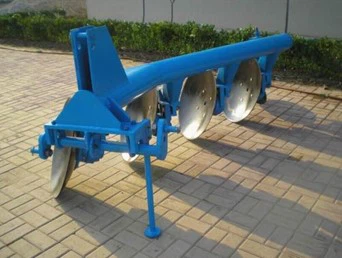
The Disc Plough is a common type, and its discs should be stored in a way that they don't get damaged. You can stack them carefully or use a rack to keep them in place.
Covering the Plough
Once you've cleaned, lubricated, and inspected the plough, it's a good idea to cover it. A heavy - duty tarp or a custom - made plough cover can provide an extra layer of protection. Make sure the cover fits snugly and is tied down securely. This will keep out dust, snow, and rain.
If you're using a tarp, choose one that's UV - resistant to prevent it from deteriorating in the sun. You can also use some kind of padding between the plough and the cover to prevent scratches.
Regular Checks During Winter
Even though the plough is in storage, it's a good idea to check on it periodically during the winter. Every few weeks, take a look to make sure there are no signs of moisture buildup, rust, or damage. If you notice any issues, address them right away.
You can also give the moving parts a little wiggle to keep them from seizing up. This simple check - up can save you a lot of headaches when it's time to start using the plough again.
Preparing for the Next Season
As winter comes to an end, it's time to start thinking about getting the plough ready for the next farming season. Remove the cover and give the plough another once - over. Check the lubrication and add more if needed. Inspect the blades and discs again to make sure they're still in good condition.
You might also want to do a test run to make sure everything is working smoothly. If you find any problems during this pre - season check, we're here as your plough supplier to help you get them sorted out.
Conclusion
Storing your plough properly during the winter is crucial for its longevity and performance. By following these steps, you can protect your investment and ensure that your plough is ready to tackle the next farming season. Remember, a well - maintained plough is a reliable tool in the field.
If you're in the market for a new plough or need any replacement parts, don't hesitate to reach out to us. We're here to provide you with high - quality ploughs and expert advice. Let's work together to make your farming operations more efficient and successful.
References
- Agricultural Equipment Maintenance Guides
- Manufacturer's Manuals for Ploughs


