

As a trusted supplier of disc ploughs, I understand the importance of optimizing the performance of these essential agricultural tools. One crucial aspect that significantly impacts the efficiency and effectiveness of a disc plough is the speed of disc rotation. In this blog post, I will share valuable insights on how to adjust the speed of disc rotation on a disc plough, ensuring you achieve the best results in your farming operations.
Understanding the Significance of Disc Rotation Speed
Before delving into the adjustment process, it's essential to grasp why the speed of disc rotation matters. The rotation speed directly affects the cutting and turning of the soil. A proper rotation speed ensures that the discs penetrate the soil effectively, break up clods, and bury crop residues, leading to better seedbed preparation and improved crop growth. If the speed is too slow, the discs may not cut through the soil efficiently, resulting in uneven tillage and poor seedbed quality. On the other hand, if the speed is too fast, it can cause excessive soil disturbance, leading to soil erosion and increased fuel consumption.
Factors Affecting Disc Rotation Speed
Several factors influence the optimal disc rotation speed for a disc plough. These include:

- Soil Type: Different soil types have varying levels of density and resistance. For example, heavy clay soils require a slower rotation speed to allow the discs to penetrate and turn the soil effectively. In contrast, sandy soils can tolerate a faster rotation speed as they are less compact.
- Crop Residue: The amount and type of crop residue present in the field also affect the disc rotation speed. A large amount of residue may require a slower speed to prevent clogging and ensure proper burial.
- Tractor Power: The power output of the tractor used to pull the disc plough plays a crucial role. A more powerful tractor can handle a faster rotation speed, while a less powerful one may need a slower speed to avoid overloading.
- Disc Size and Configuration: The size and arrangement of the discs on the plough influence the rotation speed. Larger discs generally require a slower speed, while smaller discs can rotate faster.
Adjusting the Disc Rotation Speed
Now that we understand the factors affecting disc rotation speed, let's explore the steps to adjust it:
- Refer to the Manufacturer's Guidelines: The first step is to consult the user manual provided by the disc plough manufacturer. It contains specific instructions on the recommended rotation speed range based on the plough model, disc size, and other factors. Adhering to these guidelines ensures safe and optimal operation.
- Check the Tractor's PTO (Power Take-Off): The PTO is responsible for transferring power from the tractor to the disc plough. Make sure the PTO is engaged correctly and set to the appropriate speed. Most tractors have a PTO speed selector that allows you to adjust the speed in RPM (Revolutions Per Minute).
- Adjust the Gear Ratio: Some disc ploughs are equipped with a gearbox that allows you to change the gear ratio. By adjusting the gear ratio, you can increase or decrease the disc rotation speed. Refer to the user manual for instructions on how to change the gear ratio safely.
- Monitor the Performance: Once you have made the initial adjustments, observe the performance of the disc plough in the field. Pay attention to the quality of tillage, the amount of soil disturbance, and the presence of any clogs or unevenness. If necessary, make further adjustments to the rotation speed until you achieve the desired results.
Tips for Optimal Disc Rotation Speed
- Start Slow and Gradually Increase: When working in a new field or with a different soil type, it's advisable to start with a slower rotation speed and gradually increase it as you assess the plough's performance. This approach helps prevent damage to the plough and ensures a smooth operation.
- Regular Maintenance: Keep the disc plough well-maintained to ensure optimal performance. This includes checking and tightening the disc bolts, lubricating the bearings, and sharpening the discs regularly. A well-maintained plough operates more efficiently and requires less power, allowing for a faster rotation speed.
- Use a Tachometer: A tachometer is a useful tool for measuring the disc rotation speed accurately. It helps you ensure that the speed is within the recommended range and make precise adjustments as needed.
Different Types of Disc Ploughs and Their Rotation Speed Considerations
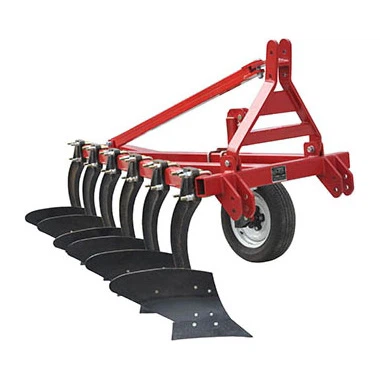
- Share Plow: The Share Plow is a traditional type of plough that uses shares to cut and turn the soil. It typically operates at a relatively slow rotation speed, especially in heavy soils. The slower speed allows the shares to penetrate the soil deeply and turn it over effectively.
- Two-way Disc Plough: The Two-way Disc Plough is designed to work in both forward and reverse directions, making it more efficient for large fields. It can operate at a slightly faster rotation speed compared to a share plow, depending on the soil type and tractor power.
- Driven Disc Plough: The Driven Disc Plough is powered by a separate engine or hydraulic system, allowing for greater control over the disc rotation speed. It can achieve higher speeds and is suitable for a wider range of soil conditions.
Conclusion
Adjusting the disc rotation speed on a disc plough is a critical aspect of achieving optimal tillage results. By understanding the factors affecting rotation speed, following the manufacturer's guidelines, and making appropriate adjustments, you can ensure efficient operation, improve soil quality, and enhance crop yields. As a disc plough supplier, I am committed to providing high-quality products and expert advice to help you get the most out of your farming equipment. If you have any questions or need assistance with adjusting the disc rotation speed or selecting the right disc plough for your needs, please don't hesitate to contact us. We look forward to discussing your requirements and helping you make informed decisions for your agricultural operations.
References
- Manufacturer's User Manuals for Disc Ploughs
- Agricultural Engineering Textbooks
- Industry Research Papers on Disc Plough Performance


