

Adjusting the depth of a plough is a crucial skill for farmers and agricultural workers. It directly impacts the quality of soil preparation, which in turn affects crop growth and yield. As a plough supplier, I've witnessed firsthand the importance of proper depth adjustment. In this blog, I'll share some practical tips on how to adjust the depth of a plough effectively.
Understanding the Importance of Plough Depth
Before delving into the adjustment process, it's essential to understand why plough depth matters. The depth at which a plough operates determines how much soil is turned over and how effectively it is loosened. A proper plough depth helps in:
- Weed Control: By burying weeds and their seeds, a well - adjusted plough can significantly reduce weed growth in the field.
- Soil Aeration: Turning over the soil at the right depth allows air to penetrate, improving soil structure and promoting root growth.
- Nutrient Mixing: It helps in mixing organic matter and nutrients throughout the soil profile, making them more accessible to plants.
Types of Ploughs and Their Depth Adjustment
There are several types of ploughs available in the market, each with its own method of depth adjustment. Let's take a look at some common ones:
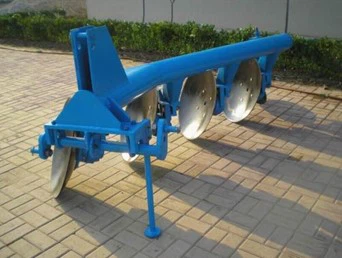
Disc Plough
A Disc Plough is a popular choice for many farmers due to its ability to work in tough, hard - packed soils. To adjust the depth of a disc plough:
- Check the Hitch: Ensure that the plough is properly hitched to the tractor. A misaligned hitch can affect the depth uniformity.
- Adjust the Depth Control Lever: Most disc ploughs are equipped with a depth control lever. Moving this lever up or down will change the angle of the discs, thereby adjusting the depth.
- Tire Pressure: The tire pressure of the tractor can also influence the plough depth. Higher tire pressure generally results in a shallower plough depth, while lower pressure can increase the depth.
Driven Disc Plough
The Driven Disc Plough offers more precise control over the soil - working process. Here's how to adjust its depth:
- Power Take - Off (PTO) Settings: The PTO speed and power can affect the performance of the driven disc plough. Make sure the PTO settings are appropriate for the soil conditions and the desired depth.
- Depth Gauge: Many driven disc ploughs come with a depth gauge. Use this gauge to set the desired depth accurately. You may need to make small adjustments to the plough's hydraulic system to achieve the correct depth.
- Field Testing: Before starting large - scale ploughing, conduct a small field test. Observe the plough's performance and make any necessary adjustments to the depth.
Two - Way Disc Plough
The Two - Way Disc Plough is designed to work in both forward and reverse directions. To adjust its depth:
- Reversible Mechanism: Check the reversible mechanism to ensure it is functioning properly. A faulty mechanism can lead to inconsistent depth adjustment.
- Depth Limiting Chains: These chains can be adjusted to control the maximum depth of the plough. Shortening the chains will reduce the depth, while lengthening them will increase it.
- Hydraulic Controls: Use the tractor's hydraulic controls to fine - tune the depth of the two - way disc plough. Make small adjustments and observe the results in the field.
Factors Affecting Plough Depth
Several factors can influence the plough depth, and it's important to take them into account when making adjustments:
Soil Type
Different soil types require different plough depths. For example:

- Sandy Soils: These soils are relatively loose and may require a shallower plough depth to avoid excessive soil disturbance.
- Clay Soils: Clay soils are more compact and may need a deeper ploughing to break up the soil and improve drainage.
- Loamy Soils: Loamy soils are a balanced mixture of sand, silt, and clay. They usually allow for a moderate plough depth.
Tractor Power
The power of the tractor is another important factor. A tractor with insufficient power may not be able to achieve the desired plough depth, especially in heavy soils. Make sure the tractor's power is matched to the size and type of the plough.
Field Conditions
The condition of the field, such as slopes, bumps, and the presence of rocks or debris, can also affect the plough depth. On sloping fields, you may need to adjust the plough depth to prevent soil erosion. In fields with rocks or debris, it's important to clear the area or adjust the plough depth to avoid damage to the equipment.
Step - by - Step Guide to Adjusting Plough Depth
Here's a general step - by - step guide to adjusting the depth of a plough:
- Inspect the Plough: Before starting, thoroughly inspect the plough for any signs of damage or wear. Check the discs, blades, and other components to ensure they are in good working condition.
- Set the Initial Depth: Based on the soil type and field conditions, set an initial depth using the plough's depth adjustment mechanism.
- Conduct a Test Run: Start the tractor and begin ploughing a small area of the field. Observe the plough's performance and the depth of the furrows.
- Make Adjustments: If the depth is too shallow or too deep, make the necessary adjustments to the plough's depth control. This may involve adjusting the lever, chains, or hydraulic controls.
- Re - test: After making adjustments, conduct another test run to ensure that the desired depth has been achieved. Repeat the adjustment process if necessary.
- Monitor the Depth: During the ploughing process, continuously monitor the depth to ensure consistency. Make small adjustments as needed to account for changes in soil conditions or field topography.
Tips for Optimal Plough Depth Adjustment
- Keep Records: Keep a record of the plough depth settings for different fields and soil types. This will help you make more informed adjustments in the future.
- Regular Maintenance: Regularly maintain the plough to ensure its proper functioning. This includes lubricating moving parts, sharpening blades, and checking for loose bolts.
- Seek Professional Advice: If you're unsure about how to adjust the plough depth, don't hesitate to seek advice from a professional agricultural equipment technician.
Conclusion
Adjusting the depth of a plough is a skill that requires practice and attention to detail. By understanding the different types of ploughs, the factors affecting plough depth, and following the step - by - step guide, you can achieve optimal ploughing results. As a plough supplier, I'm committed to providing high - quality ploughs and offering support to our customers in adjusting and maintaining their equipment.
If you're interested in purchasing a plough or need more information about our products, please feel free to contact us for a procurement discussion. We'll be happy to assist you in finding the right plough for your agricultural needs.
References
- "Agricultural Machinery and Equipment Handbook"
- "Soil Science and Management"
- Industry - specific research papers on ploughing techniques and equipment adjustment.


