

Adjusting the angle of a disc plough is a crucial skill that can significantly impact the efficiency and effectiveness of your ploughing operations. As a leading Disc Plough supplier, we understand the importance of this process and are here to guide you through the steps to ensure optimal performance.
Understanding the Basics of Disc Plough Angle Adjustment
Before delving into the adjustment process, it's essential to understand why angle adjustment matters. The angle of the disc blades determines the depth of cut, the width of the furrow, and the turning of the soil. A proper angle ensures that the plough cuts through the soil smoothly, breaks up clods effectively, and turns over the soil to bury weeds and crop residues.
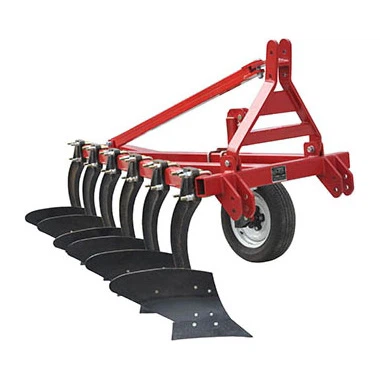

There are two primary angles to consider when adjusting a disc plough: the disc angle and the tilt angle. The disc angle refers to the angle between the plane of the disc and the direction of travel. A larger disc angle results in a wider furrow and more aggressive soil turning. The tilt angle, on the other hand, is the angle at which the disc is tilted from the vertical position. A greater tilt angle increases the depth of cut.
Tools Required for Angle Adjustment
To adjust the angle of your disc plough, you'll need a few basic tools:
- Wrenches: Depending on the type of fasteners used on your plough, you'll need a set of wrenches to loosen and tighten bolts and nuts.
- Measuring Tools: A protractor or an angle gauge can be used to measure the disc and tilt angles accurately.
- Level: A spirit level can help ensure that the plough is level during the adjustment process.
Step-by-Step Guide to Adjusting the Disc Angle
- Park the Tractor and Plough: Park the tractor and attached disc plough on a level surface. Engage the parking brake and turn off the engine to ensure safety.
- Locate the Disc Angle Adjustment Mechanism: Different disc plough models have different adjustment mechanisms. Some ploughs use bolts and nuts to adjust the disc angle, while others may have a more sophisticated hydraulic or mechanical adjustment system. Refer to your plough's user manual to locate the adjustment mechanism.
- Loosen the Fasteners: Use the appropriate wrenches to loosen the fasteners that hold the disc in place. Be careful not to remove the fasteners completely; just loosen them enough to allow for adjustment.
- Measure the Current Disc Angle: Use a protractor or an angle gauge to measure the current disc angle. This will give you a baseline for your adjustments.
- Adjust the Disc Angle: Depending on your ploughing requirements, you may need to increase or decrease the disc angle. To increase the disc angle, move the disc forward or outward. To decrease the disc angle, move the disc backward or inward. Make small adjustments at a time and re-measure the angle after each adjustment.
- Tighten the Fasteners: Once you've achieved the desired disc angle, use the wrenches to tighten the fasteners securely. Make sure the disc is firmly held in place to prevent it from shifting during operation.
- Repeat the Process for Each Disc: If your disc plough has multiple discs, repeat the adjustment process for each disc to ensure consistent performance across the entire plough.
Step-by-Step Guide to Adjusting the Tilt Angle
- Locate the Tilt Angle Adjustment Mechanism: Similar to the disc angle adjustment mechanism, the tilt angle adjustment mechanism may vary depending on the plough model. Refer to the user manual to find the adjustment point.
- Loosen the Fasteners: Use the wrenches to loosen the fasteners that control the tilt angle. Again, don't remove the fasteners completely.
- Measure the Current Tilt Angle: Use a protractor or an angle gauge to measure the current tilt angle of the disc.
- Adjust the Tilt Angle: To increase the tilt angle, raise the front of the disc. To decrease the tilt angle, lower the front of the disc. Make small adjustments and re-measure the angle until you reach the desired tilt angle.
- Tighten the Fasteners: Once the tilt angle is set, tighten the fasteners to secure the disc in place.
- Check for Levelness: Use a spirit level to ensure that the plough is level both horizontally and vertically. Adjust the tractor's hitch or the plough's leveling mechanism if necessary.
Testing the Adjusted Plough
After adjusting the disc and tilt angles, it's important to test the plough in the field to ensure that it's working correctly. Start by making a few test passes at a slow speed and observe the plough's performance. Pay attention to the depth of cut, the width of the furrow, and the quality of the soil turning. If you notice any issues, such as uneven cutting or excessive soil throwing, you may need to make further adjustments.
Tips for Optimal Angle Adjustment
- Consider the Soil Type: Different soil types require different disc and tilt angles. For example, heavy clay soils may require a larger disc angle and a greater tilt angle to break up the soil effectively. Sandy soils, on the other hand, may require a smaller disc angle and a shallower tilt angle.
- Adjust Based on Ploughing Depth: If you need to plough at a greater depth, you may need to increase the disc and tilt angles. Conversely, if you're ploughing at a shallower depth, you can decrease the angles.
- Regularly Check and Adjust the Angles: Over time, the disc and tilt angles may change due to wear and tear or vibrations during operation. It's a good idea to regularly check and adjust the angles to maintain optimal performance.
Our Range of Disc Ploughs
As a Disc Plough supplier, we offer a wide range of high-quality disc ploughs to meet the diverse needs of our customers. Our product lineup includes Share Plow, Hydraulic Reversible Plow, and Two-way Disc Plough. Each of our ploughs is designed with precision and durability in mind, ensuring reliable performance in the field.
Contact Us for More Information
If you have any questions about adjusting the angle of a disc plough or if you're interested in purchasing one of our disc ploughs, please don't hesitate to contact us. Our team of experts is always ready to assist you with your agricultural equipment needs.
References
- Agricultural Machinery Handbook, various editions
- Manufacturer's user manuals for disc ploughs


