

Determining the right size of a plough is a crucial decision for farmers and agricultural professionals. As a plough supplier, I understand the importance of this choice, as it directly impacts the efficiency, productivity, and overall success of your farming operations. In this blog post, I'll guide you through the factors to consider when selecting the appropriate plough size for your specific needs.
Understanding Your Farming Needs
Before delving into the technical details of plough sizes, it's essential to have a clear understanding of your farming requirements. Consider the following aspects:
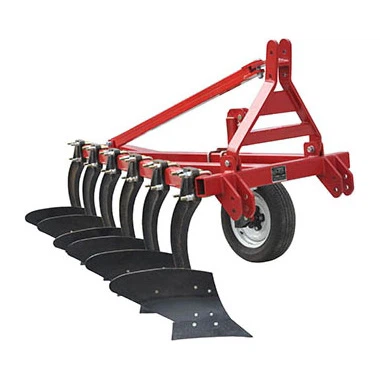

- Field Size: The size of your fields plays a significant role in determining the plough size. Larger fields may require larger ploughs to cover more ground efficiently, while smaller fields can be managed with smaller, more maneuverable ploughs.
- Soil Type: Different soil types have varying levels of resistance and compaction. For example, heavy clay soils are more difficult to plough than sandy soils. You'll need a more powerful and larger plough to break through tough, compacted soils.
- Crop Type: The type of crops you plan to grow also influences the plough size. Some crops may require deeper ploughing to prepare the soil adequately, while others may need a shallower ploughing depth.
Types of Ploughs and Their Sizes
There are several types of ploughs available in the market, each with its own size range and suitability for different farming conditions. Here are some common types:
- Hydraulic Reversible Plow: This type of plough is designed to turn over the soil effectively and can be reversed to plough in the opposite direction without having to turn the tractor around. Hydraulic reversible plows come in various sizes, typically ranging from 2 to 6 furrows. You can find more information about Hydraulic Reversible Plow on our website.
- Share Plow: Share plows are traditional ploughs that use a share to cut through the soil. They are available in different sizes, with the number of shares ranging from 1 to 5 or more. Share plows are suitable for smaller fields and lighter soil types. Check out our Share Plow options for more details.
- Disc Plough: Disc ploughs use rotating discs to break up the soil. They are more effective in heavy, sticky soils and can handle larger amounts of crop residue. Disc ploughs come in various sizes, with the number of discs ranging from 2 to 8 or more. Explore our Disc Plough selection for more information.
Factors Affecting Plough Size Selection
In addition to the farming needs and plough types, several other factors should be considered when choosing the right plough size:
- Tractor Power: The power of your tractor is a critical factor in determining the plough size. A larger plough requires more power to operate effectively. Make sure your tractor has enough horsepower to handle the plough you choose. As a general rule, you need approximately 15 to 20 horsepower per furrow for a moldboard plough.
- Furrow Width and Depth: The width and depth of the furrows you want to create also affect the plough size. Larger ploughs can create wider and deeper furrows, but they may require more power and time to operate. Consider the requirements of your crops and soil when deciding on the furrow width and depth.
- Field Conditions: The condition of your fields, such as slopes, obstacles, and uneven terrain, can also influence the plough size. In hilly or uneven fields, a smaller, more maneuverable plough may be more suitable to ensure better control and safety.
Calculating the Right Plough Size
To calculate the appropriate plough size for your needs, you can use the following formula:
Plough Size (Furrows) = Tractor Horsepower / (Horsepower per Furrow)
For example, if you have a tractor with 100 horsepower and you are using a moldboard plough that requires 20 horsepower per furrow, the recommended plough size would be:
Plough Size (Furrows) = 100 / 20 = 5 furrows
However, this is just a general guideline, and you should also consider the other factors mentioned above, such as soil type, field conditions, and crop requirements.
Benefits of Choosing the Right Plough Size
Selecting the right plough size offers several benefits for your farming operations:
- Increased Efficiency: A properly sized plough can cover more ground in less time, reducing the overall time and labor required for ploughing. This can lead to increased productivity and cost savings.
- Better Soil Preparation: The right plough size ensures that the soil is ploughed to the appropriate depth and width, providing a better seedbed for your crops. This can result in improved crop germination, growth, and yield.
- Reduced Tractor Wear and Tear: Using a plough that is too large for your tractor can put excessive strain on the engine, transmission, and other components, leading to increased wear and tear and higher maintenance costs. Choosing the right plough size helps to protect your tractor and extend its lifespan.
Conclusion
Choosing the right size of a plough is a critical decision that can have a significant impact on the success of your farming operations. By considering your farming needs, the type of plough, tractor power, furrow width and depth, and field conditions, you can select the appropriate plough size for your specific requirements. As a plough supplier, we are here to help you make the right choice. If you have any questions or need further assistance, please don't hesitate to contact us for a detailed consultation and to start the procurement process.
References
- Agricultural Machinery Handbook
- Farm Equipment Manufacturer's Guides
- Soil and Crop Science Journals


