

Hey there, fellow farm enthusiasts! I'm a supplier of farm tractors, and I know how crucial it is to keep your tractor in top - notch condition. One of the maintenance tasks that often gets overlooked but is super important is bleeding the hydraulic system in a farm tractor. In this blog, I'll walk you through the process step by step.
First off, let's talk about why bleeding the hydraulic system is so necessary. The hydraulic system in a farm tractor is like the heart of the machine. It powers a whole bunch of functions, from lifting heavy loads to operating attachments. Over time, air can get into the hydraulic lines. Air is compressible, while hydraulic fluid isn't. When there's air in the system, it can cause all sorts of problems, like a loss of power, jerky movements, and even damage to the hydraulic components. So, bleeding the system is essential to get rid of that pesky air and ensure smooth operation.
Before you start, you'll need a few tools. You'll need a wrench or socket set to open the bleed valves, a container to catch the hydraulic fluid that comes out, and of course, some fresh hydraulic fluid. Make sure you're using the right type of fluid for your tractor. You can check the owner's manual for that info.
Now, let's get into the actual process. The first thing you need to do is park your tractor on a level surface and turn off the engine. Safety first, right? You don't want the tractor moving around while you're working on it.
Next, locate the bleed valves. These are usually small valves on the hydraulic cylinders or lines. They can be a bit tricky to find, so you might need to refer to your tractor's manual again. Once you've found them, clean the area around the valves to prevent any dirt or debris from getting into the system when you open them.
Now, it's time to open the bleed valves. Use your wrench or socket set to gently loosen the valves. You don't want to open them all the way at once. Just crack them open a little bit. As you do this, you'll start to see some hydraulic fluid and air bubbles coming out. Let the fluid and air escape into the container you've set up.
While the fluid is draining, you might want to have someone help you operate the hydraulic controls. This can help push the air out of the system more effectively. For example, if you're bleeding the hydraulic system for the loader, have your helper raise and lower the loader a few times.
Keep an eye on the fluid coming out. Once you stop seeing air bubbles and only clear fluid is coming out, that's a good sign. It means most of the air has been removed from that part of the system. At this point, you can tighten the bleed valve back up.

You'll need to repeat this process for all the bleed valves in the system. It can take a little time, especially if your tractor has a complex hydraulic setup. But it's worth it to get the system working properly.
After you've bled all the valves, you'll need to check the hydraulic fluid level. If it's low, add some fresh fluid. Make sure you're not overfilling it, though. You can use the dipstick or sight glass on the hydraulic reservoir to check the level.
Once you've added the fluid, start the engine and test the hydraulic functions. Move the loader, tilt the bucket, or whatever other hydraulic attachments your tractor has. If everything is working smoothly, then you've done a great job. If you still notice some issues, like a loss of power or jerky movements, you might need to go back and bleed the system again.
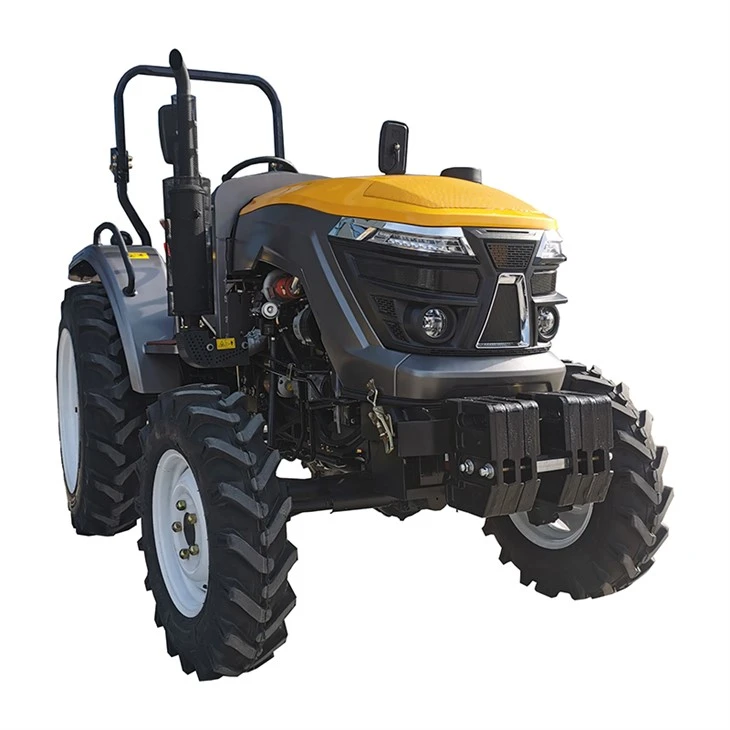
Now, let me tell you a bit about some of the tractors we offer at our supply. We have the Compact 50HP Tarctor. This little guy is perfect for small - scale farming or landscaping. It's got enough power to handle most tasks, and its compact size makes it easy to maneuver in tight spaces.
If you need something more powerful, we also have the 80HP 4WD Greenhouse Tractor. This tractor is great for larger farms or for working in greenhouses. The 4WD gives it excellent traction, and the 80HP engine can handle heavy - duty tasks with ease.
And for those of you who have hilly terrain on your farm, check out our Hill Tractor. It's specially designed to handle the challenges of working on slopes, with a low - center of gravity and excellent stability.
If you're in the market for a new farm tractor or need some advice on maintaining your current one, don't hesitate to reach out. We're here to help you make the best choice for your farming needs. Whether you're a small - time farmer or running a large agricultural operation, we've got the tractors and the knowledge to keep your farm running smoothly.
In conclusion, bleeding the hydraulic system in a farm tractor is an important maintenance task that can prevent a lot of problems down the road. By following these steps, you can keep your tractor's hydraulic system in great shape. And if you're looking for a new tractor or need more info, just get in touch. We're always happy to chat and help you out.
References
- Tractor Owner's Manuals
- Agricultural Machinery Maintenance Guides


