

A vegetable garden is a haven for those who love to grow their own fresh produce. It offers a sense of accomplishment, a connection to nature, and the satisfaction of eating home - grown vegetables. One of the crucial steps in maintaining a productive vegetable garden is proper soil tilling. This leads to the question: Can a rotary tiller be used to till in vegetable gardens? As a supplier of rotary tillers, I'm well - positioned to provide a detailed answer.
The Functionality of Rotary Tillers
Rotary tillers are powerful agricultural machines designed to break up, mix, and aerate soil. They work by using rotating tines or blades that dig into the ground, churning up the soil and turning it over. This process helps to loosen compacted soil, incorporate organic matter such as compost or manure, and create a fine seedbed for planting.

The tines on a rotary tiller come in different shapes and sizes, each suited for specific soil types and tilling tasks. For instance, curved tines are excellent for general tilling and can handle a variety of soil conditions, while straight tines are better for lighter soils and more precise tilling.
Advantages of Using a Rotary Tiller in Vegetable Gardens
Soil Aeration
Compacted soil can be a major obstacle in vegetable gardening. It restricts root growth, reduces water infiltration, and limits the availability of oxygen to plant roots. A rotary tiller effectively breaks up compacted soil, creating air pockets that allow roots to grow more freely. This improved aeration promotes healthier plant growth and better nutrient uptake.
Weed Control
Tilling with a rotary tiller can help control weeds. By turning over the soil, it buries weed seeds deep underground, preventing them from germinating. Additionally, it uproots existing weeds, making it easier to remove them from the garden. This reduces competition for nutrients, water, and sunlight between weeds and vegetable plants.
Incorporation of Organic Matter
Adding organic matter such as compost, manure, or leaf mold to the soil is essential for a healthy vegetable garden. A rotary tiller can quickly and efficiently mix this organic matter into the soil, distributing it evenly throughout the planting area. This enriches the soil with nutrients, improves its structure, and enhances its water - holding capacity.
Preparation of Seedbeds
Rotary tillers are ideal for preparing seedbeds in vegetable gardens. They can create a fine, loose soil texture that is perfect for sowing seeds. The tilled soil provides a good environment for seed germination and early root development, increasing the chances of successful plant establishment.
Considerations When Using a Rotary Tiller in Vegetable Gardens
Soil Moisture
The moisture content of the soil is crucial when using a rotary tiller. If the soil is too wet, the tiller may create large clumps of soil that are difficult to break up. On the other hand, if the soil is too dry, the tiller may not be able to penetrate the ground effectively. It's best to till the soil when it is slightly moist, like a wrung - out sponge.
Depth of Tilling
Over - tilling can be detrimental to the soil structure. Tilling too deeply can disrupt the natural layers of the soil and bring up sub - soil that may be less fertile. For vegetable gardens, a tilling depth of 6 - 8 inches is usually sufficient. This depth allows for proper root growth and soil aeration without causing excessive damage to the soil.
Root Damage
If there are existing plants or tree roots in the vegetable garden, care must be taken to avoid damaging them. Rotary tillers can easily cut through roots, which can harm the plants and reduce their productivity. Before tilling, it's important to mark the location of any existing roots and avoid tilling too close to them.
Types of Rotary Tillers Suitable for Vegetable Gardens
Rear - Tine Tillers
Rear - tine tillers are more powerful and suitable for larger vegetable gardens or areas with tough, compacted soil. They have tines located at the rear of the machine, which provides better traction and control. Rear - tine tillers can handle heavy - duty tilling tasks and are often used for initial soil preparation in new gardens.
Front - Tine Tillers
Front - tine tillers are lighter and more maneuverable, making them a good choice for smaller vegetable gardens or areas with lighter soil. The tines are located at the front of the machine, which allows for easier turning and precise tilling. Front - tine tillers are also more affordable and easier to operate, making them popular among home gardeners.
Complementary Agricultural Implements
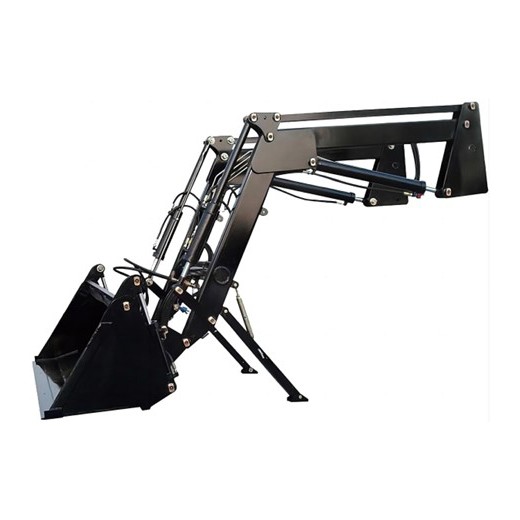
In addition to rotary tillers, there are other agricultural implements that can be used in conjunction with them to enhance the productivity of vegetable gardens. For example, a European Style Trailer can be used to transport soil, compost, or harvested vegetables around the garden. A Suspension Disc Harrow can be used to further break up large clumps of soil after tilling, creating an even finer seedbed. And a Front End Loader can be used for heavy - lifting tasks such as moving large amounts of soil or manure.
Conclusion
In conclusion, a rotary tiller can be an excellent tool for tilling in vegetable gardens. It offers numerous benefits such as soil aeration, weed control, incorporation of organic matter, and preparation of seedbeds. However, it's important to use it correctly, taking into account factors such as soil moisture, tilling depth, and root damage. By choosing the right type of rotary tiller and using it in combination with other appropriate agricultural implements, you can create a healthy and productive vegetable garden.
If you're interested in purchasing a rotary tiller or learning more about our agricultural implements, don't hesitate to contact us for procurement and further discussions. We're here to help you make the most of your vegetable gardening experience.
References
- "The Vegetable Gardener's Bible" by Edward C. Smith
- "Soil Science for Gardeners" by Robert Pavlis
- Agricultural Extension Services publications on soil tillage and vegetable gardening


