

As a supplier of driven harrows, I often receive inquiries from farmers and agricultural enthusiasts about the compatibility of our products with different soil conditions. One question that comes up frequently is whether a driven harrow can be used on wet soil. In this blog post, I'll delve into this topic, providing a comprehensive analysis based on scientific knowledge and practical experience.

Understanding the Basics of a Driven Harrow
Before we discuss the use of a driven harrow on wet soil, let's briefly understand what a driven harrow is and how it works. A driven harrow is an agricultural implement designed to break up and level the soil surface. It consists of a series of tines or discs that are powered by a tractor's power take - off (PTO). The rotating tines or discs penetrate the soil, breaking up clods and creating a fine seedbed.
The main advantages of using a driven harrow include its ability to work at different depths, its high efficiency in soil preparation, and its adaptability to various soil types. However, these advantages can be affected by the soil's moisture content.
The Impact of Wet Soil on Driven Harrow Performance
- Soil Compaction
Wet soil is more prone to compaction. When a driven harrow operates on wet soil, the weight of the implement and the tractor can cause the soil particles to be pressed together more tightly. This compaction can reduce the soil's porosity, limiting the movement of air and water through the soil. As a result, plant roots may have difficulty penetrating the soil, and the overall soil structure can be damaged. According to research in soil science, compacted soil can lead to reduced crop yields by up to 20 - 30% in some cases. - Tine and Disc Performance
The tines or discs of a driven harrow may not perform optimally on wet soil. The wet soil can stick to the tines, increasing the resistance and reducing the efficiency of the harrow. This can cause the tractor to work harder, consuming more fuel and potentially leading to premature wear and tear of the harrow components. Additionally, the sticking soil can prevent the tines from penetrating the soil to the desired depth, resulting in an uneven seedbed. - Clod Formation
Wet soil is more likely to form large clods when worked with a driven harrow. These clods can be difficult to break down, especially if the soil has a high clay content. The clods can interfere with seed germination and emergence, as they create an uneven surface and can prevent seeds from making good contact with the soil.
Situations Where Using a Driven Harrow on Wet Soil Might Be Acceptable
- Lightly Wet Soil
If the soil is only slightly wet, a driven harrow can still be used with some precautions. Lightly wet soil may not be as prone to compaction as very wet soil. In such cases, the harrow can help to break up the soil and improve its structure. However, it's important to monitor the soil conditions closely during the operation to ensure that compaction does not occur. - Specific Soil Types
Some soil types, such as sandy soils, are less likely to compact and form clods when wet. If you are working with sandy soil that is moderately wet, a driven harrow can be used to prepare the seedbed. Sandy soils have a larger particle size and better drainage, which allows them to recover more quickly from the effects of tillage.
Best Practices for Using a Driven Harrow on Wet Soil
- Adjust the Depth
When using a driven harrow on wet soil, it's advisable to reduce the working depth. A shallower depth can help to minimize soil compaction and reduce the amount of soil that sticks to the tines. This can also help to prevent the formation of large clods. - Use the Right Speed
Operating the driven harrow at a slower speed can be beneficial on wet soil. A slower speed allows the tines to work more effectively and reduces the risk of soil compaction. It also gives the tractor more time to handle the increased resistance caused by the wet soil. - Follow Up with Other Implements
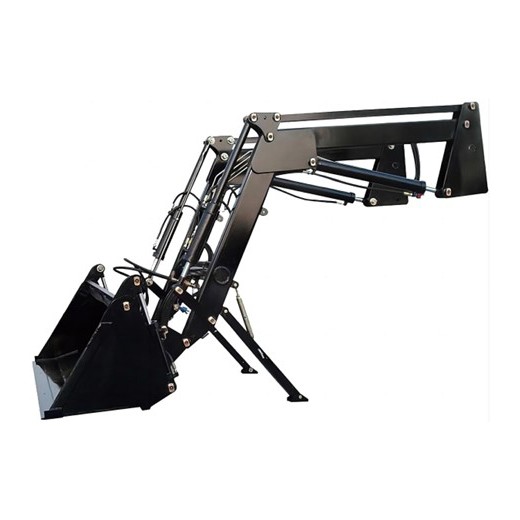
After using a driven harrow on wet soil, it may be necessary to follow up with other implements to break down any remaining clods and further improve the soil structure. For example, a Front End Loader can be used to move and spread the soil, and a roller can be used to level the surface.
Our Driven Harrow Solutions
At our company, we offer a range of driven harrows that are designed to perform well under various soil conditions. Our harrows are made with high - quality materials and advanced engineering to ensure durability and efficiency. We also provide comprehensive technical support to help our customers make the most of their equipment.
If you are considering using a driven harrow on wet soil, our team of experts can provide you with personalized advice based on your specific soil type, crop requirements, and equipment. We understand the challenges of working with wet soil and can help you find the best solutions to achieve a successful seedbed preparation.
When to Avoid Using a Driven Harrow on Wet Soil
- Excessively Wet Soil
If the soil is saturated with water, it is best to avoid using a driven harrow. In this case, the risk of severe soil compaction and clod formation is very high. It's better to wait for the soil to dry out to an appropriate moisture level before operating the harrow. - High - Clay Soils
High - clay soils are particularly sensitive to wet - soil tillage. These soils have a high water - holding capacity and are more likely to form large, hard clods when wet. Using a driven harrow on wet high - clay soil can cause long - term damage to the soil structure.
Complementary Agricultural Implements
In addition to driven harrows, we also supply a range of complementary agricultural implements. For example, our Double Axle Trailer and Single Axle Trailer can be used to transport equipment and materials around the farm. These trailers are built with strong frames and reliable axles to ensure safe and efficient transportation.
Conclusion
In conclusion, while it is possible to use a driven harrow on wet soil in some situations, it should be done with caution. The potential negative effects of soil compaction, reduced tine performance, and clod formation need to be carefully considered. By following the best practices and using the right equipment, you can minimize these risks and achieve a satisfactory seedbed preparation.
If you are interested in our driven harrows or other agricultural implements, we encourage you to contact us for more information. Our team is ready to assist you in making the right purchasing decisions and providing you with the support you need to succeed in your agricultural operations. We look forward to discussing your requirements and helping you find the best solutions for your farm.
References
- Brady, N. C., & Weil, R. R. (2008). The Nature and Properties of Soils. Pearson Prentice Hall.
- Hillel, D. (2004). Introduction to Environmental Soil Physics. Academic Press.
- Soil Science Society of America. (2017). Soil Science Concepts and Practices.


